
Serengeti Animals
Animals in Serengeti National Park
Serengeti animals (Serengeti wildlife): the endless plains of Serengeti are home to countless herds of wildlife. Serengeti national park inhabits the highest concentration of wildlife, especially the large mammals, not only in Tanzania but in Africa as a whole.
Serengeti National Park is home to the wildebeest migration and all the African Big5; the park is the best park for game viewing, with few or no other tourism destinations in Africa that give more wildlife experience than Serengeti National Park.
Are you planning a lifetime wildlife safari? Serengeti is your one-stop destination for the best wildlife viewing, with more than 30 animal species found in the park and not in samples but in large numbers. The following are the key Serengeti animals:
African buffalo
Serengeti National Park is home to large herds of buffalo that can be viewed throughout the year. The African buffalo, sometimes called Cape buffalo, is every social animal that lives in groups; unless the male dominant is defeated, you can find it isolated. The Buffalo is among the African Big 5, very slow but sure and dangerous, especially if it charges; it attacks aggressively.
The Buffalo weighs up to 750 kilograms when it’s fully grown and mature. At Serengeti National Park, where the grass is plentiful, the shoulder is around 1.5 meters high.
African Elephants
These are the latest additions to Serengeti animals; it’s not recent that Elephants were seen at the park, like 30 years back. The Elephants joined the Serengeti animal list in the 1960s and 1970s, though the population was small after great poaching and clearance of their habitats in the neighborhoods of Ngorongoro, pushing the Elephants to seek refuge in Serengeti.
According to the 2014 Elephant census, it was discovered that over 7000 Elephants were living in Serengeti. Elephants can be in groups but in less than 24; they can be spotted in the cool part of the day, and in hot weather they can be seen in swamp areas of Serengeti near the research center area. They are very active late in the evenings as they are grazing.

Lions
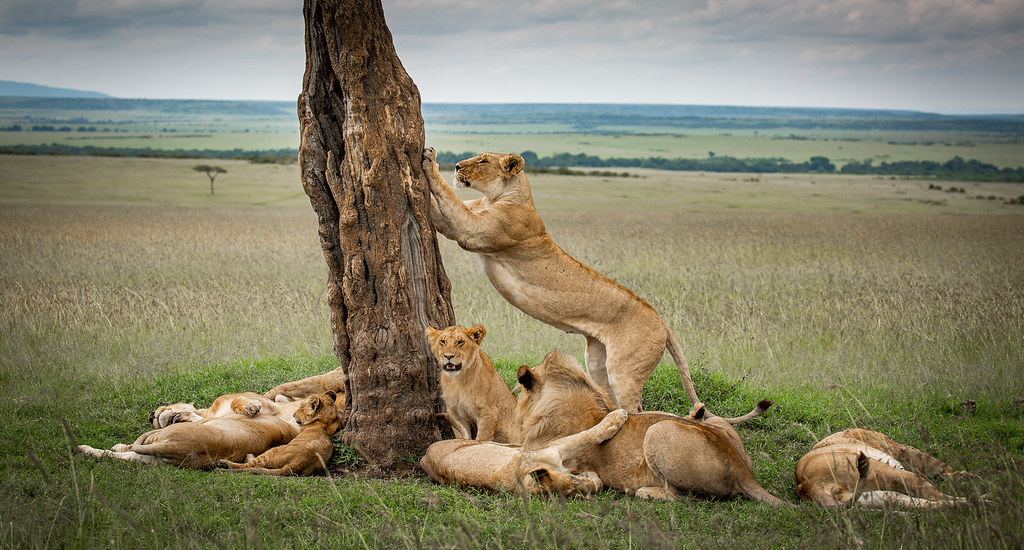
The king of the jungle is among the African Big 5, which every guest wants to see while on a game drive in any park of Africa. Lions are among the Serengeti animals that can be easily seen on every game drive, in most cases in the Seronera Area and in Moru Kopjes. Tree-climbing lions are becoming popular in Serengeti National Park in the central park.
Lions are the biggest of all the big cat family and also carnivores; they live in groups, and prides are always made up of more females and the young ones with one or two males. The female lions are the ones who hunt, while the male ones are the first to eat after the prey is killed. In Serengeti National Park, lions follow the wildebeest migration very closely, and during calving season, more lions are seen in the southern Serengeti in the Ndutu area.
Lions mostly prey on small animals like Antelopes, wildebeest, Impala, gazelles, zebra, and sometimes buffalo.
Serengeti has the largest lion population in Africa, with over 3,000 lions found in the open, endless plains of Serengeti National Park. This has given a good balance to the ecosystem in Serengeti.
Leopards
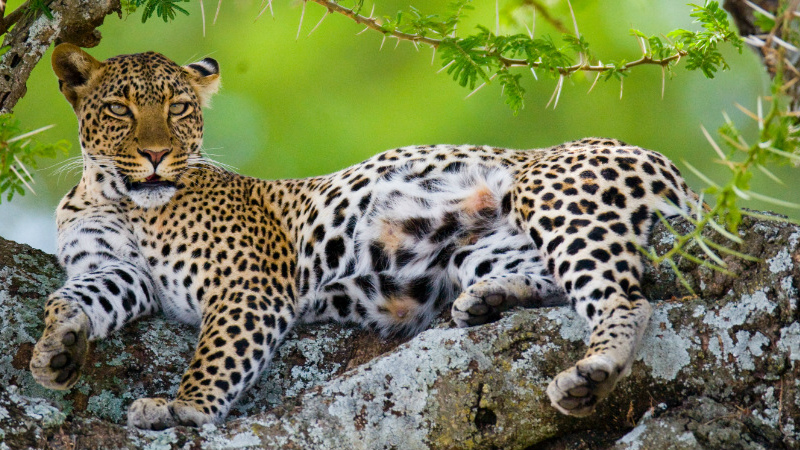
Leopards are Solitary cats that need specialized experience and an eagle eye to spot while on a game drive because Leopards hunt on their own and live a single life except during mating season. That is when you can easily spot them in pairs, if not very rare, unless again it’s the female with the young ones. These animals are active both night and day, and they take their own time to hunt and plan, taking most of their time in trees and remote hideouts at the park.
Leopards have good sight that gives them high chances of spotting and ambushing their prey at a good distance or high up in a tree. They like living in trees that are located near water catchment areas where the animals come and quench their thirst. In Serengeti, they are mostly seen at the Seronera area in denser parts of the woodlands. It’s estimated that the park has around 1000 leopards in population.
Rhinos
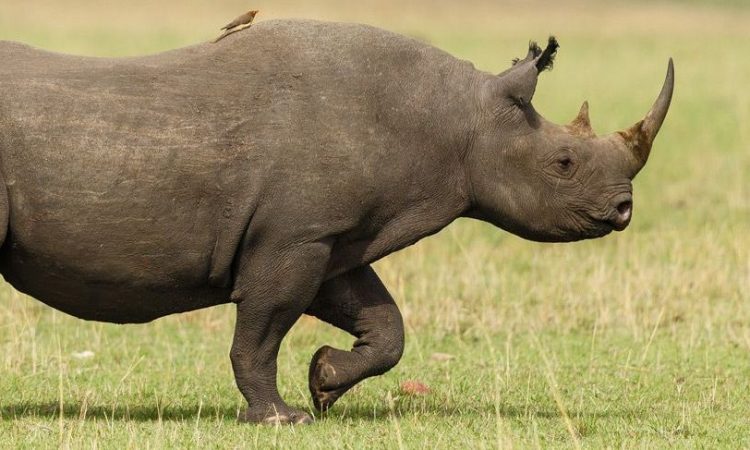
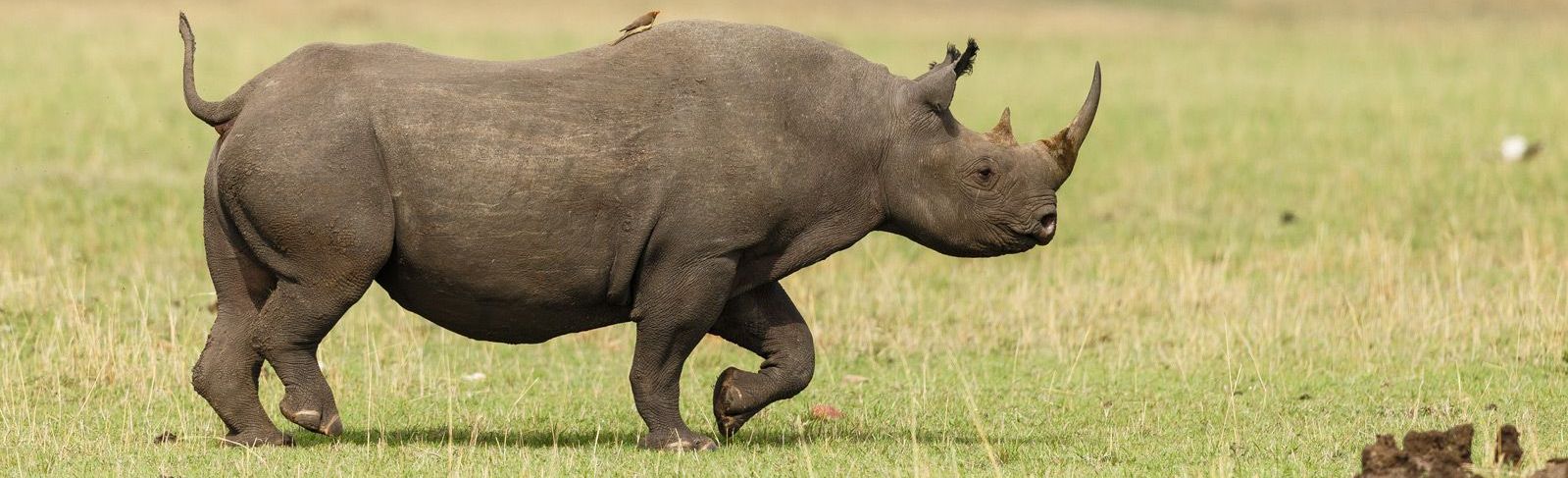
These are the rarest of the Big 5 of Africa in the list of Serengeti animals. They are only cited on the Northern part of the park. The Eastern black Rhinos are found at the kopjes, with very few individuals remaining after rampant poaching. The park authorities have just recovered from the decline in the number of Rhinos in Serengeti. Due to their living in hidden and border areas these has given the Maasai locals from Kenya an advantage to poach the Rhinos at the border.
The number of Rhinos in Serengeti is 31 individuals currently available at the park; they can be seen grazing in small groups of 5 to 10, depending on your luck and timing. Elephants and rhinos are active during the cold time of the day, like grazing mostly at night or very early in the morning, and spend most of the day resting. Therefore, night game drives are ideal to view these rhino species.
Giraffes
The Maasai Giraffes are very common animals in Serengeti as they are the tallest living mammals. They are the friendliest animals at the park; they can be found in groups or as individuals. There is a thriving population of giraffes in Serengeti national park leaving in the Seronera area, especially found where there are many acacia trees. They are rarely attacked by predators, except the young ones, which are preferred by the lions.
Wildebeest
The wildebeest migration is the main reason why Serengeti National Park is famous. The park has over 1.5 million wildebeest across the plains of Serengeti. The wildebeest move according to the Serengeti climate of the year, following the annual rainfall patterns. These animals move together with other animals like Zebras, Impala, and gazelles, among others. Wildebeest are a key attraction of Serengeti National Park that makes it more unique than other parks.