
Serengeti National Park History
History of Serengeti National Park in Tanzania
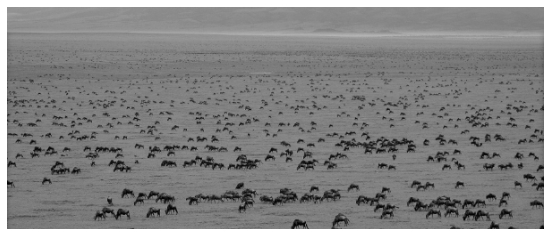
Serengeti National Park is one of the most famous parks not only in Tanzania but in Africa at large, with a long history and the most well-known wildebeest migration that happens annually between Serengeti National Park and Maasai Mara National Reserve, where over one million wildebeests and thousands of zebras cross the Mara River from June to October.
The most interesting part of the history of Serengeti National Park is its name and how it got to be named. The name Serengeti is a Maasai word that means open, endless plains. The local Maasai people described the area as “Siringet,” meaning “the place where the land runs on forever”.
Serengeti National Park was established as a game reserve in 1921 with only 800 acres of land by the British colonial administration after an increasing number of lion poaching around the Seronera area, where the first American and his friend camped for over one month and killed over 50 lions in the area.

The open plains were initially occupied by the Maasai people, who used the land for grazing their livestock for over 200 years till the first explorer from Europe visited the area in 1892, that is, Austrian Oscar Baumann.
In 1929, the gazetted area was increased, and the park was officially named Serengeti National Park, which was commissioned in 1951. Serengeti National Park gained more and more credit, thanks to Bernhard Grzimek and his son Michael, for their hard work and publicity with their book and film called Serengeti Shall Not Die.
In 1959, the British administration chased all the Maasai people outside the park and moved them to the Ngorongoro Conservation Area. Serengeti National Park is the oldest Tanzania national park and remains the best national park in Tanzania, contributing the highest country’s tourism numbers, drawing more guests to the Northern Tanzania safari Circuit, which includes Tarangire National Park, Ngorongoro Crater Conservation Area, and Lake Manyara National Park.
Serengeti National Park is adjacent to the Masai Mara of Kenya in the North West and adjoins the Ngorongoro conservation area in the South. The park was added to the UNESCO as a world heritage in 1981 after its establishment in 1951. The park covers 5,700 square lies that is 14,763 square kilometers.
The park has attractions of over 35 species of plain animals, over 350 birds that include both birds of prey and other birds. Even if the park is now much more famous with large elephants, the park used not to have Elephants in the past 30 years, till increasing pressure from the community neighboring the park paved the way for unsettled Elephants to come and take refuge at the park, hence the introduction of the Elephants.